刘鑫鑫
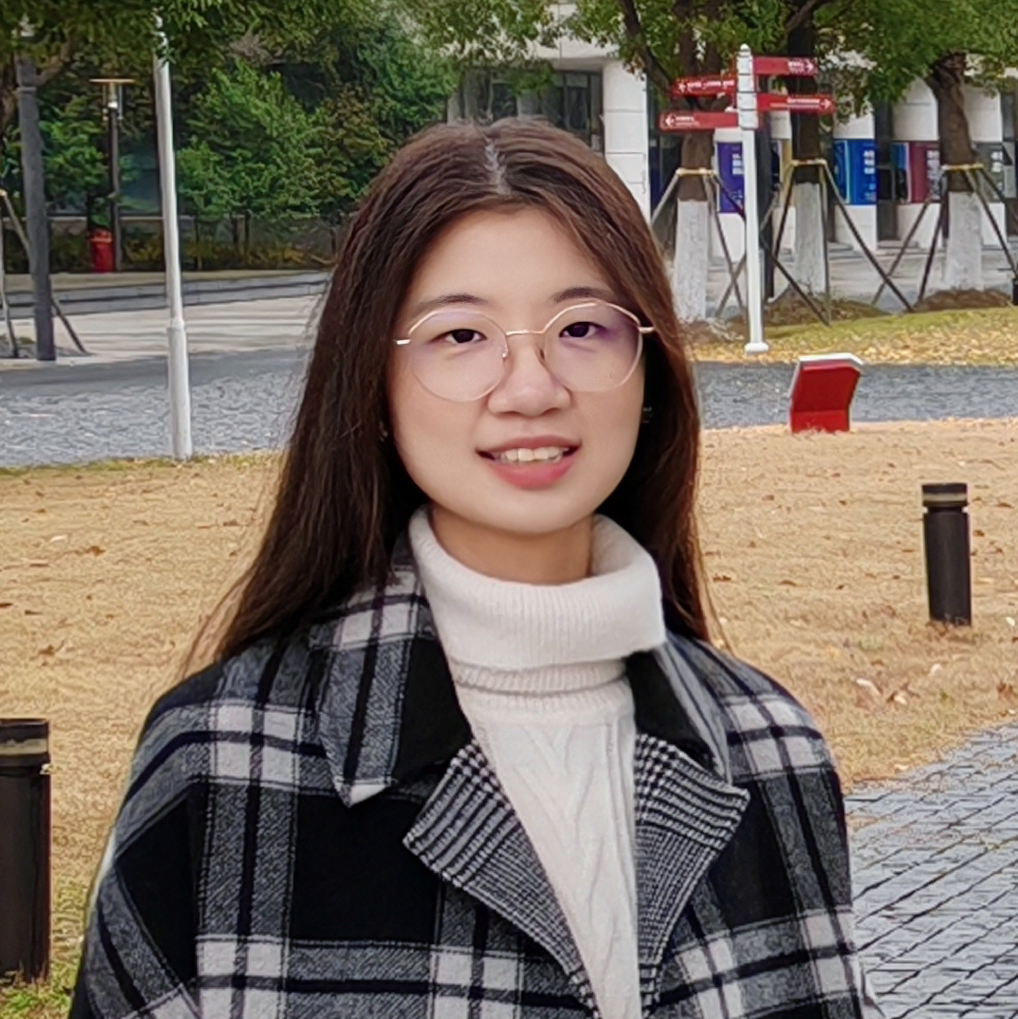
我于2021年毕业于哈尔滨医科大学,获生物信息学学士学位,目前在攻读生物信息学博士学位。本科期间,我主要从事数据分析和调控网络构建。我的研究兴趣是结合数据分析与实验,探索小RNA在关键生物过程中的潜在功能。
论文
- Nat CommunMaternal diet-induced alterations in uterine fluid sncRNAs compromise preimplantation embryo development and offspring metabolic healthShijia Pan*, Liwen Zhang*, Xinai Yang, Lumen Wang, Changze Liu, Jia Zhang, Xuemei Yu, Simin Qiao, Ruoyang Zeng, Yu Qian, Li Tong, Xinxin Liu, Junchao Shi#, Lei Yan#, and Ying Zhang#Nature Communications Aug 2025
The periconception period is critical for embryo development, pregnancy outcomes, and offspring health. During this stage, oviductal and uterine fluids facilitate embryo-maternal interactions and support early embryonic development. Using PANDORA-seq, we identify a diverse repertoire of small non-coding RNAs in female mouse oviduct fluid and uterine fluid during preimplantation, with tRNA-derived small RNAs and rRNA-derived small RNAs being predominant. Maternal high-fat diet during preimplantation period significantly alters tsRNA and rsRNA expression in oviduct fluid and uterine fluid compared to normal diet, disrupting blastocyst metabolic gene expression. While implantation remained unaffected, these alterations impair mid-gestation embryonic and placental growth, resulting in reduced birth weight and length, as well as metabolic disorders in offspring. Furthermore, transfecting embryos with uterine fluid-derived sncRNAs altered by maternal high-fat diet mimics the in vivo effects. These findings suggest that tsRNAs and rsRNAs in reproductive fluids may reflect maternal metabolic status and transmit dietary information to the early embryo, which might influence pregnancy outcomes and offspring health.
@article{pan2025nc, title = {Maternal diet-induced alterations in uterine fluid sncRNAs compromise preimplantation embryo development and offspring metabolic health}, author = {Pan, Shijia and Zhang, Liwen and Yang, Xinai and Wang, Lumen and Liu, Changze and Zhang, Jia and Yu, Xuemei and Qiao, Simin and Zeng, Ruoyang and Qian, Yu and Tong, Li and Liu, Xinxin and Shi, Junchao and Yan, Lei and Zhang, Ying}, journal = {Nature Communications}, pages = {7637}, year = {2025}, month = aug, doi = {10.1038/s41467-025-63054-5}, publisher = {Nature Publishing Group}, url = {https://www.nature.com/articles/s41467-025-63054-5}, } - Sci China Life SciPeripheral blood RNA modifications as a novel diagnostic signature for polycystic ovary syndromeLiwen Zhang*, Xinxin Liu*, Yu zhang*, Lang Qin*, Shijia Pan, Xueqi Yan, Sen Dong, Zerong Feng, Song-jia Fan, Rusong Zhao, Xueying Gao, Shigang Zhao#, Junchao Shi#, Han Zhao#, Ying Zhang#, and Zi-Jiang ChenScience China Life Sciences Jun 2025
Polycystic Ovary Syndrome (PCOS) is the most prevalent ovulatory and endocrine disorder affecting reproductive-aged women, yet the absence of a specific, rapid molecular diagnostic marker results in diagnostic delays and inaccuracies. Given the critical role of RNA modifications in disease pathology, this study utilized a high-throughput RNA modification profiling platform to investigate 15 types of peripheral blood RNA modification patterns in individuals with ovulatory disorders, including PCOS and Primary Ovarian Insufficiency (POI), and control subjects. Our results revealed that distinct modification profiles correspond to specific disease states, with significant shifts in RNA modification inter-correlations observed across conditions. Additionally, specific RNA modifications were associated with clinical features, such as serum levels of testosterone and the follicle number per ovary (FNPO). To optimize diagnostic precision, we evaluated various machine learning models, identifying that combining m6A and m7G modifications in a light gradient boosting machine model achieves the highest accuracy in distinguishing PCOS, outperforming traditional diagnostic markers. This highlights the potential of RNA modification profiling as a novel, high-accuracy diagnostic tool for PCOS in clinical settings.
@article{zhang2025scls,
  title = {Peripheral blood RNA modifications as a novel diagnostic signature for polycystic ovary syndrome},
  author = {Zhang, Liwen and Liu, Xinxin and zhang, Yu and Qin, Lang and Pan, Shijia and Yan, Xueqi and Dong, Sen and Feng, Zerong and Fan, Song-jia and Zhao, Rusong and Gao, Xueying and Zhao, Shigang and Shi, Junchao and Zhao, Han and Zhang, Ying and Chen, Zi-Jiang},
  journal = {Science China Life Sciences},
  pages = {1--4},
  year = {2025},
  month = jun,
  doi = {10.1007/s11427-024-2913-7},
  publisher = {Nature Publishing Group},
  url = {https://link.springer.com/article/10.1007/s11427-024-2913-7},
}